The Majestic Alocasia Flower: A Comprehensive Guide
Have you ever stumbled upon a stunning plant with luscious green leaves that resemble elephant ears? Chances are, you’ve encountered an Alocasia flower. Known for its unique and exotic appearance, the Alocasia flower is a popular choice among plant enthusiasts.
In this guide, we’ll take a deep dive into all things Alocasia flower. From its origins to its care requirements, we’ll cover everything you need to know about this majestic plant.
The Alocasia flower is a tropical plant that belongs to the Araceae family. It’s native to Southeast Asia and is commonly found in countries such as Thailand, Insia, and Malaysia. Alocasia flowers come in a variety of shapes and sizes, with some growing up to six feet tall!
One of the most striking features of the Alocasia flower is its foliage. The leaves are large and heart-shaped, with prominent veins running through them. The plant’s stems are also quite unique, often featuring a dark purple hue.
But what makes the Alocasia flower truly special is its ability to purify the air. Like many plants, Alocasia flowers absorb carbon dioxide and release oxygen. However, they’re also able to remove harmful toxins such as formaldehyde and benzene from the air.
Alocasia Flower Care Requirements
If you’re thinking about adding an Alocasia flower to your plant collection, it’s important to understand its care requirements. Here’s what you need to know:
Light
Alocasia flowers thrive in bright, indirect light. Direct sunlight can scorch their leaves, so it’s best to keep them in a spot where they’ll receive filtered light throughout the day.
Water
Alocasia flowers prefer moist soil, but they don’t like to sit in water. It’s important to water them regularly but allow the soil to dry out slightly between waterings.
Humidity
Alocasia flowers love humidity. If you live in a dry climate, you may need to mist your plant or invest in a humidifier to keep it healthy.
Temperature
Alocasia flowers prefer temperatures between 60°F and 85°F. They don’t do well in temperatures below 50°F, so it’s important to keep them away from drafts.
Alocasia Flower Varieties
There are many different varieties of Alocasia flowers, each with its own unique characteristics. Here are some of the most popular varieties:
- Alocasia amazonica: This variety has dark green leaves with striking white veins.
- Alocasia macrorrhizos: Also known as the giant taro, this variety can grow up to six feet tall!
- Alocasia zebrina: This variety features striking zebra-like stripes on its stems and leaves.
- Alocasia odora: With its large, glossy leaves, this variety is sure to make a statement in any room.
Propagating Alocasia Flowers
If you want to propagate your Alocasia flower, it’s best to do so in the spring or summer. Here are the steps to follow:
Choose a healthy parent plant with at least three leaves.
Cut a stem from the parent plant, making sure it’s at least four inches long.
Fill a pot with a well-draining soil mix.
Plant the stem cutting in the pot, making sure the soil is firmly packed around it.
Water the cutting thoroughly and place it in a bright, indirect light.
Keep the soil moist and wait for new growth to appear.
Common Alocasia Flower Problems
Like all plants, Alocasia flowers can be susceptible to certain problems. Here are some of the most common issues you may encounter:
Yellowing leaves: This can be a sign of overwatering or underwatering.
Brown spots on leaves: This can indicate a fungal infection or pest infestation.
Wilting leaves: This can be a sign of too much sunlight or not enough water.
Stunted growth: This can be a sign of nutrient deficiencies or poor soil quality.
If you notice any of these issues, it’s important to take action quickly to prevent further damage to your plant.
Alocasia Flower Fun Facts
Here are some fun facts about the Alocasia flower that you may not know:
The Alocasia flower is also known as the elephant ear plant because its leaves resemble the ears of an elephant.
In some cultures, the Alocasia flower is believed to bring good luck and prosperity.
The sap of the Alocasia flower can be irritating to the skin and eyes, so it’s important to handle it with care.
Alocasia flowers are often used in traditional medicine to treat various ailments.
The Alocasia flower is a stunning plant that deserves a place in any plant lover’s collection. With its unique appearance and air-purifying abilities, it’s sure to make a statement in any room. By following the care requirements outlined in this guide, you can ensure that your Alocasia flower thrives for years to come.
Frequently Asked Questions
1. How often should I water my Alocasia flower?
Alocasia flowers prefer moist soil, but they don’t like to sit in water. It’s best to water them regularly but allow the soil to dry out slightly between waterings.
2. Can I grow my Alocasia flower outdoors?
Alocasia flowers are tropical plants and prefer warm, humid environments. They can be grown outdoors in warm climates but should be brought inside during colder months.
3. How often should I fertilize my Alocasia flower?
Alocasia flowers should be fertilized once a month during the growing season (spring and summer). Use a balanced fertilizer and follow the instructions on the package.
4. Can I propagate my Alocasia flower in water?
While some plants can be propagated in water, Alocasia flowers are best propagated in soil. This ensures that they have the nutrients they need to grow strong and healthy.
5. What should I do if my Alocasia flower’s leaves turn yellow?
Yellowing leaves can be a sign of overwatering or underwatering. Check the soil moisture level and adjust your watering schedule accordingly.
6. Can Alocasia flowers be toxic to pets?
Yes, Alocasia flowers are toxic to pets if ingested. Keep them out of reach of pets and children.
7. How often should I repot my Alocasia flower?
Alocasia flowers should be repotted every two to three years to ensure they have enough room to grow. Choose a pot that’s only slightly larger than the current one to prevent overpotting.
8. How much light does my Alocasia flower need?
Alocasia flowers thrive in bright, indirect light. Direct sunlight can scorch their leaves, so it’s best to keep them in a spot where they’ll receive filtered light throughout the day.
9. Can I prune my Alocasia flower?
Yes, you can prune your Alocasia flower to encourage bushier growth. Use clean scissors or pruning shears to remove any dead or damaged leaves.
10. Do Alocasia flowers bloom?
While Alocasia flowers can produce flowers, they’re primarily grown for their foliage. The flowers are small and often hidden within the leaves.
10 Alocasia flower Images

Pin By Russ On Alocasia Plants Houseplants Pond Waterfall
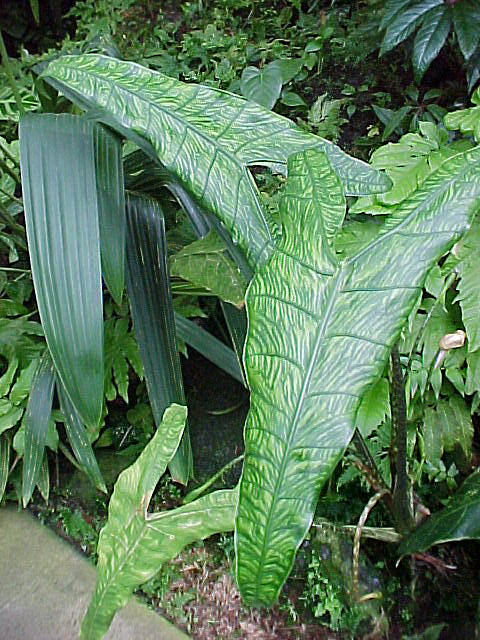
Alocasia Cucullata Windy Aubrey ALOCASIA COLOCASIA Pinterest

Pin On Alocasia

ALOCASIA

Alocasia Cuprea The Ginger Jungle The Online Houseplants Shop UK

Pin By Russ On Plants Goth Garden Plants Garden

Alocasia Black Velvet Alocasia Red Secret Alocasia Lauterbachiana

Alocasia Houseplant With Three Large Leaves Growing In A Brown Pot

17 Best Images About Colocasia And Alocasia On Pinterest Live Plants

Eliete Pereira Das Neves Banbino
Post a Comment for "The Majestic Alocasia Flower: A Comprehensive Guide"